Cherry Hill Roofing brings more than 20 years of experience to roofing in Lumberton, and here the person asking about a roof is often someone who does not live under it. Property managers, owners and boards need a plan for a building full of tenants, one that keeps the work moving without turning daily life upside down for the people inside.
We treat those jobs the way a manager has to treat them: as a capital project with a budget, a schedule and a lot of residents who need to know what is happening. That means phasing the work, telling tenants before crews arrive, and keeping a clear record of which building, which unit and which leak each dollar went toward.
The same habits serve a homeowner on a single roof. We look in the attic as well as on top before we price a leak, we tell you plainly whether a repair will hold, and our written scopes break the job into lines you can compare against anyone else’s estimate.
Lumberton’s Apartment Communities and Their Roofs
More Than a Quarter of Homes Are Rented
Lumberton has more rental housing than many people expect from a township of about 12,800 residents. Census estimates from the 2024 five-year American Community Survey count 1,283 renter households out of 4,787 occupied homes, or 26.8 percent. Most of those renters are not in single houses or duplexes: 914 of them live in buildings of five or more units.
The largest group, 427 households, sits in buildings of 10 to 19 units, the size typical of garden-style apartment complexes. Another 226 are in buildings of five to nine units, 149 in buildings of 20 to 49, and 112 in buildings of 50 or more. That mix points to multi-building communities rather than one large tower.
Named Communities, Unknown Roofs
Several managed communities show up on rental listing sites. Lumberton Apartment Homes on Windmill Way is listed at about 175 units and is run by Morgan Properties. Sterling Glen on Eayrestown Road and Wexford on Dorchester Drive are both managed by Viking Associates, and Cornerstone at Lumberton is an income-restricted community.
We name them only to show the kind of property this page is about. We have no information on what any of those roofs are made of, how old they are or what shape they are in, and we have not worked for any of these owners. What we can describe is how a roof project on a property like this should run.
Why the Roof Is a Capital Project
For a homeowner, a new roof is a large household expense. For a property manager, it is a line in a capital plan that has to be justified to an owner, scheduled against other building work and paid for over one or more budget years. On a community with many buildings, it often makes more sense to re-roof in phases than all at once.
That changes what a roofer has to deliver. Instead of one price, the manager needs a building-by-building breakdown, a realistic order of work and a clear statement of what is known now versus what will only be known once the old roofing comes off. We write our proposals that way from the start.
Looking for roofing closer to Mount Holly? See Roofing Services in Mount Holly.
Re-Roofing Building by Building Over Occupied Units
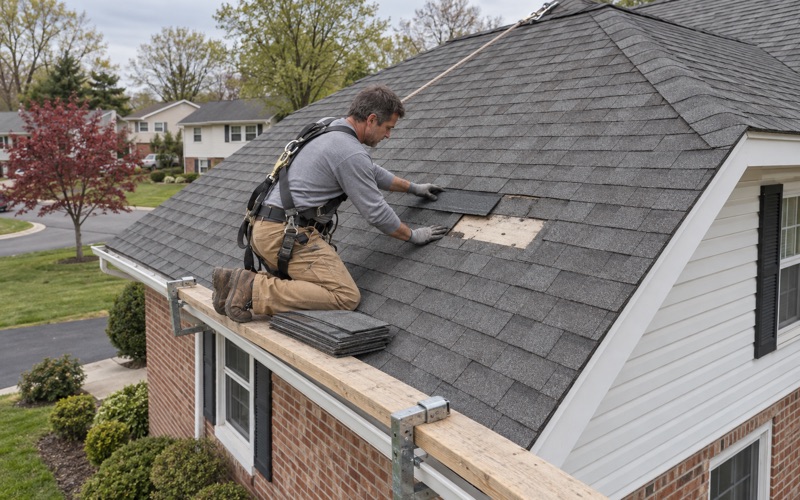
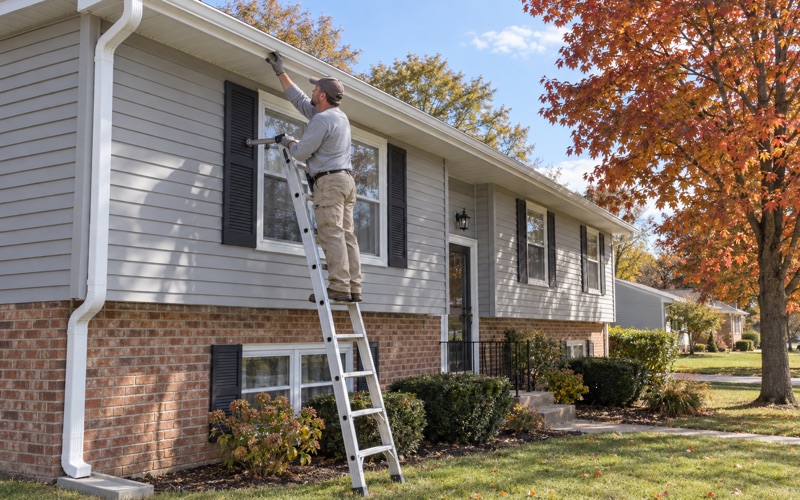
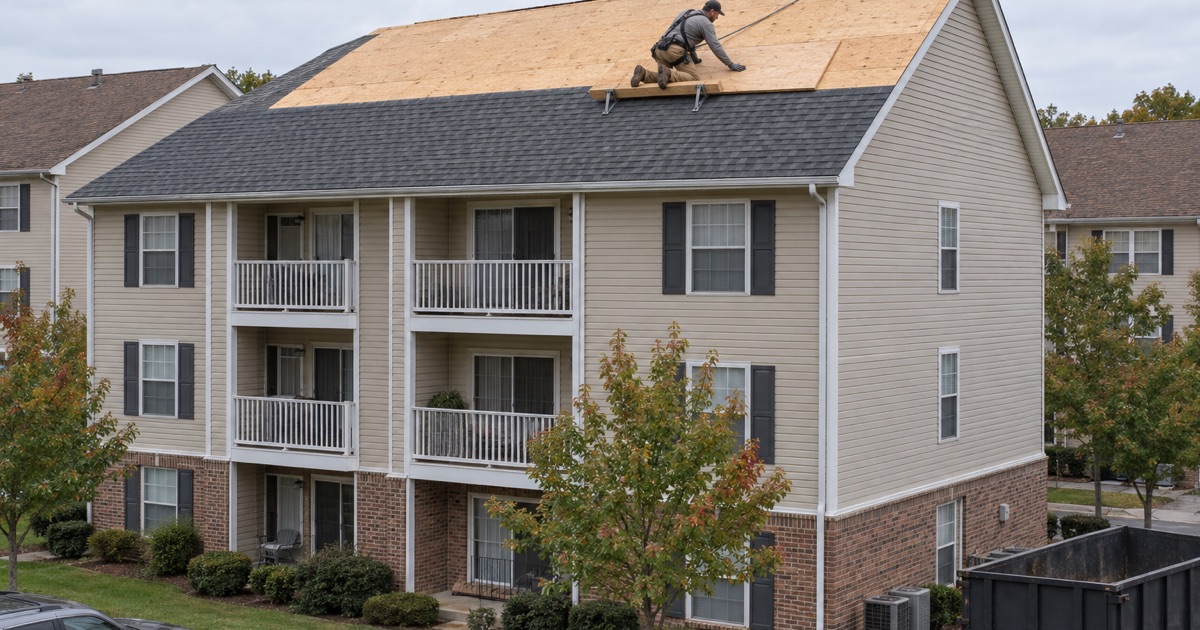
Re-roofing an occupied apartment building is mostly a logistics job with roofing in the middle of it. The roofing itself follows the same standards as any other house; what changes is that many households are living under the work, and every day of it has to end with each building watertight and the grounds usable.
Setting the Order of Buildings
We start a phased project by walking every building with the manager and agreeing on an order. Buildings with active leaks or the most worn roofing usually go first, but parking layout, lease turnover and the owner’s budget can all change the sequence. Each phase gets its own scope and price, so a phase can be moved to a later year without reworking the rest.
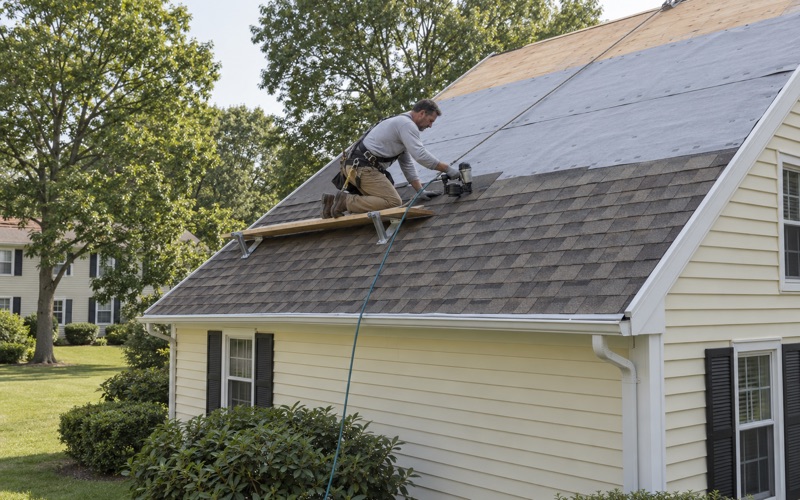
We tear off only as much roof as the crew can dry in that same day, so no apartment sits under open decking overnight. On a pitched roof, that means underlayment down, with self-adhering ice and water barrier meeting ASTM D1970 at the eaves and valleys, before anyone leaves. Shingles can follow the next morning without risking a ceiling.
Tenant Notices, Parking and Access
Tenants should hear about roof work before they hear it overhead. We give the manager a dated schedule for each building early enough to send notices, and we spell out which parking spaces, walkways and entrances will be closed and for how long. The dumpster and material drop are placed where they block the fewest residents.
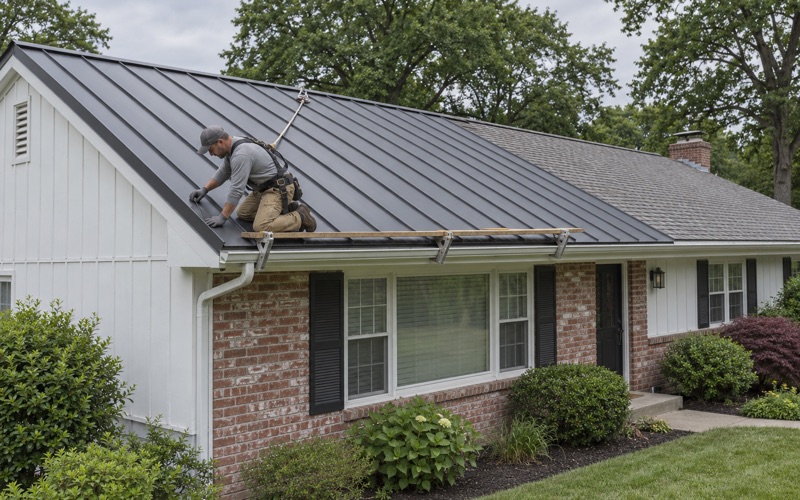
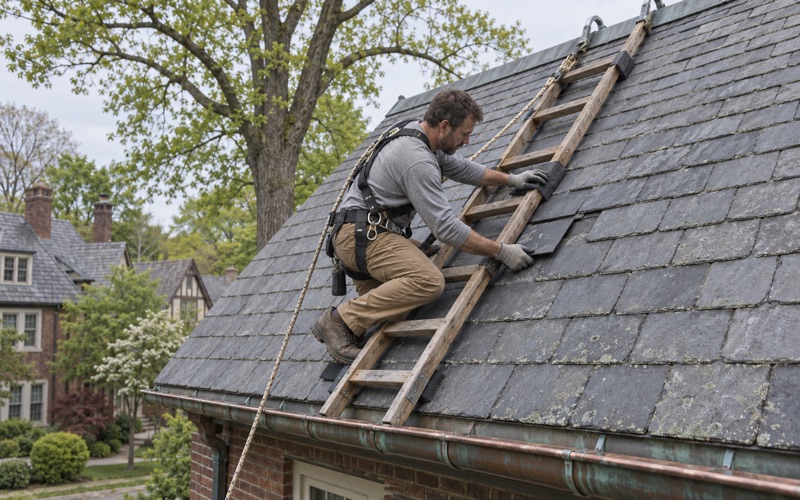
Safety needs more care around an occupied building than an empty one. Our crews work under OSHA fall protection rules that apply from six feet up on residential roofing, and we keep tear-off debris chuted or caught rather than dropped near doors. Entrances under the work area are covered or rerouted while the crew is above them.
Clean Grounds at the End of Every Day
Residents walk, park and let children play around these buildings every evening, so the grounds are cleaned before the crew goes home. That includes the lawns, walks, parking spaces and gutters near the day’s work, plus a magnet sweep for loose roofing nails. A nail in a tenant’s tire becomes a complaint on the manager’s desk the next morning.
Leak Triage Across Many Apartments
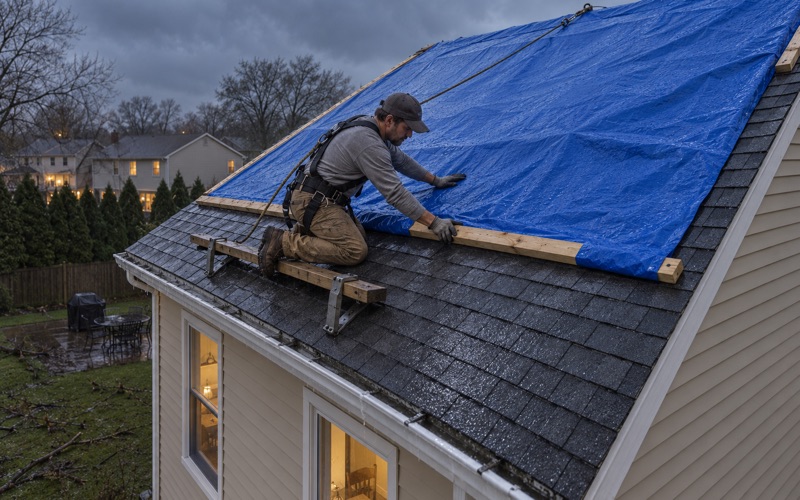
Leak calls in a managed community arrive as work orders, often several at once after heavy rain, and each one has a tenant waiting for an answer. Triage is about sorting them quickly into what needs a tarp today, what needs a repair this week and what belongs in the next capital phase.
From the Stained Ceiling to the Entry Point
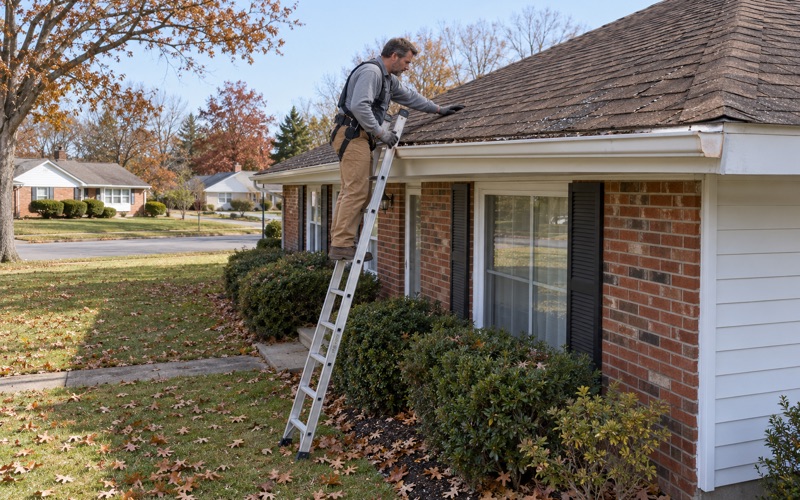
When a leak is reported in an apartment building, the stain is often nowhere near the opening. Water can run along a rafter, a pipe or the top of a wall and show up two units away. We check the attic or roof space above the affected apartments as well as the roof surface, and trace the path before anything is priced.
For a manager juggling several work orders, we report by unit. Each call gets the apartment number, where the water was found inside, where it actually enters, and photos of both. When three tenants in one building report leaks, that record shows whether it is one failed pipe boot or three separate problems.
A Repair Answer Before a Replacement Pitch
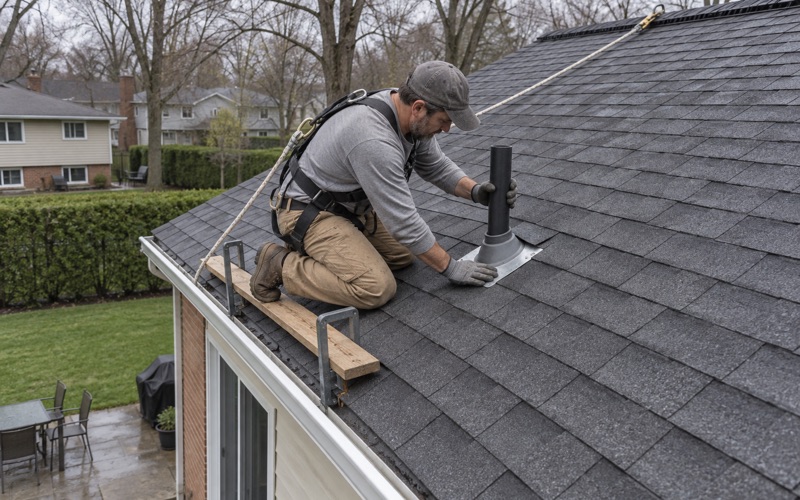
Not every leak means a building needs a new roof, and a manager presenting a capital request to an owner needs to know which is which. We say plainly whether a repair will hold before replacement comes up at all. A worn pipe boot, a lifted shingle or a failed piece of step flashing can often be fixed for a fraction of a phase’s cost.
When repairs keep returning to the same building, that pattern is useful too. It helps a manager decide which building moves to the front of the replacement order, backed by dated findings rather than a general sense that the roofs are getting old. One building with four leak calls in a year tells a clearer story than a walk-around estimate.
Storm Damage and the Owner’s Claim
Lumberton sits in the National Weather Service’s Northwestern Burlington forecast zone, issued out of the Mount Holly office, and a manager can follow its warnings to anticipate a wave of tenant calls. After wind or hail, we photograph the damage on each affected building and write it up for the owner’s own insurance claim.
If the owner asks, our crew will meet the adjuster on site and walk the roofs together. The documentation stays organized by building, which matters when one storm touches several roofs in the same community and the claim has to account for each of them.
What a Property Manager Needs in a Roofing Proposal
A good proposal for a multifamily roof answers the questions an owner will ask before approving the money: what exactly is being replaced, what could change once work starts, and what protects the owner if it does. Ours are built around those three questions, building by building.
Line Items an Owner Can Compare
A capital request usually goes to an owner or a board alongside competing bids, so the proposal has to make comparison easy. Our written scopes list tear-off, decking, underlayment, flashing, ventilation and gutters as separate lines for each building. If another roofer leaves ventilation out or folds flashing into a lump sum, the gap is plain to see.
We also name the materials, such as an architectural shingle line like GAF Timberline HDZ, Owens Corning Duration or CertainTeed Landmark, along with its wind rating and the synthetic underlayment standard it is installed over. A manager who has to defend the choice later can point to a specific product, not a vague description.
Decking and Flashing Priced Before Tear-Off
Nobody can see rotten decking until the old roof is off, and on a multi-building job that unknown can wreck a budget. Our contracts set a per-sheet price for replacement decking in advance. When we find damaged sheets, we photograph them and show the manager before any are replaced, so the count on the invoice matches what was actually seen.
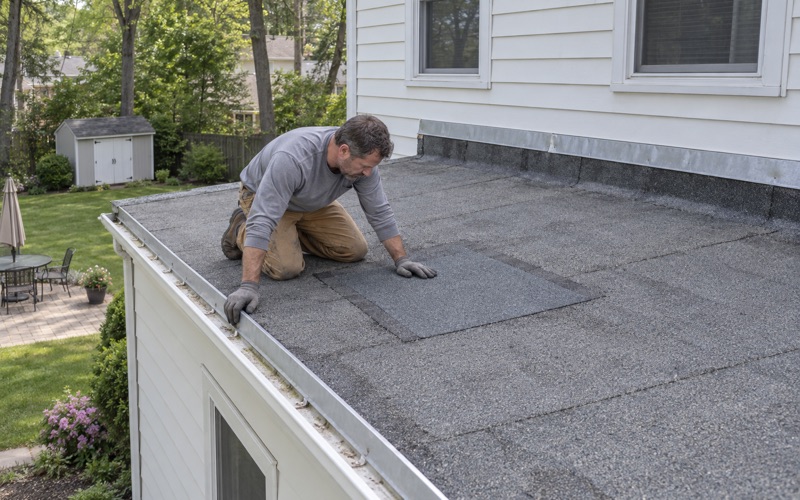
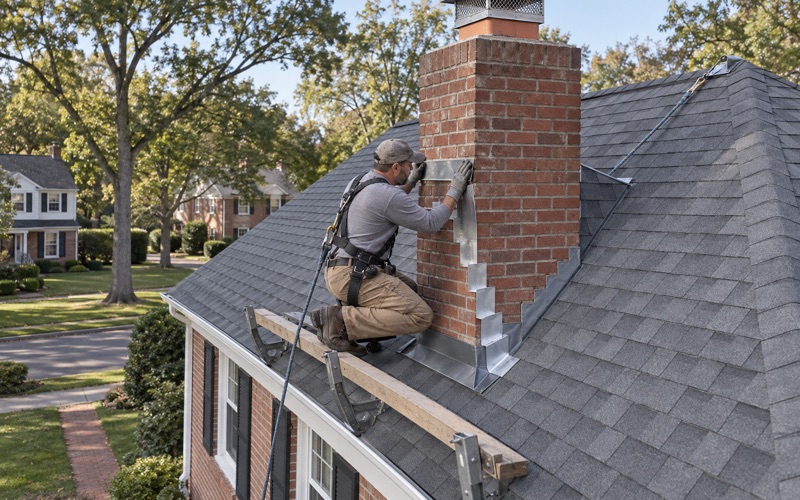
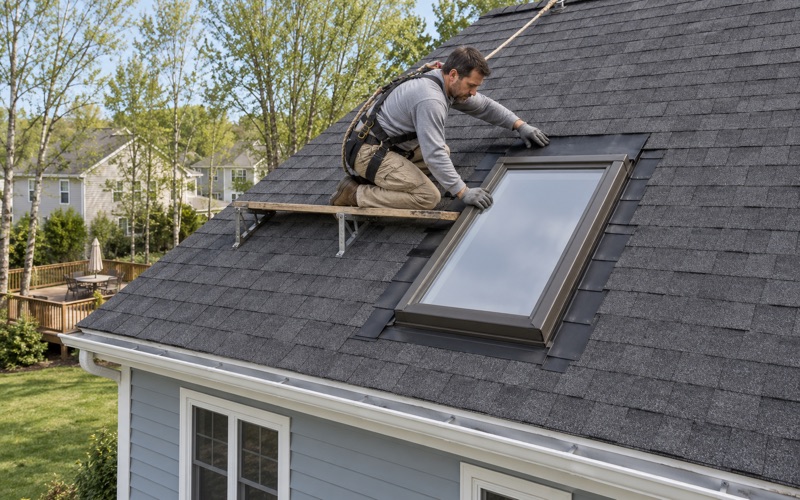
Flashing is handled the same way on every building in the phase. At walls, chimneys, skylights and the places where two roof planes meet, the old metal comes out and new step, counter and apron flashing goes in. Caulking over tired flashing only moves the next leak call down the calendar.
A Contract That Follows New Jersey Rules
Our contracts follow New Jersey’s home improvement rules, including the written cancellation notice, and they spell out the phase schedule, the decking price and the cleanup standard in the same document. The owner signs one agreement that covers every building, with each phase able to start on its own approval.
Many Lumberton households own detached or attached houses rather than rent, and the same approach scales down to one roof. A homeowner here gets the same itemized scope, the same repair-first answer and the same daily nail sweep, along with shingle colors held up against the actual brick or siding before anything is ordered.
- 20+ Years on Local Roofs
- Repair-First Advice
- Itemized Written Scopes